The barrier to entry for putting a website on the internet has never been lower. With a few clicks, anyone can spin up a generic template, drop in some stock images, and hit publish.
But there is a massive difference between owning a URL and building a digital asset that actually moves your business forward.
For founders, brands, and companies looking to scale, "getting started" with web development isn’t about learning how to write basic HTML or picking out a pre-made theme. It is about understanding how structural integrity, clean code, and intentional engineering directly impact your bottom line.
Here is what it actually takes to build a modern web application that performs, ranks, and converts.
The Hidden Cost of the "Easy" Route
When most businesses kick off a web project, they default to low-code builders or heavy, generic templates to save time. On day one, it looks like a win. By day thirty, the cracks begin to show.
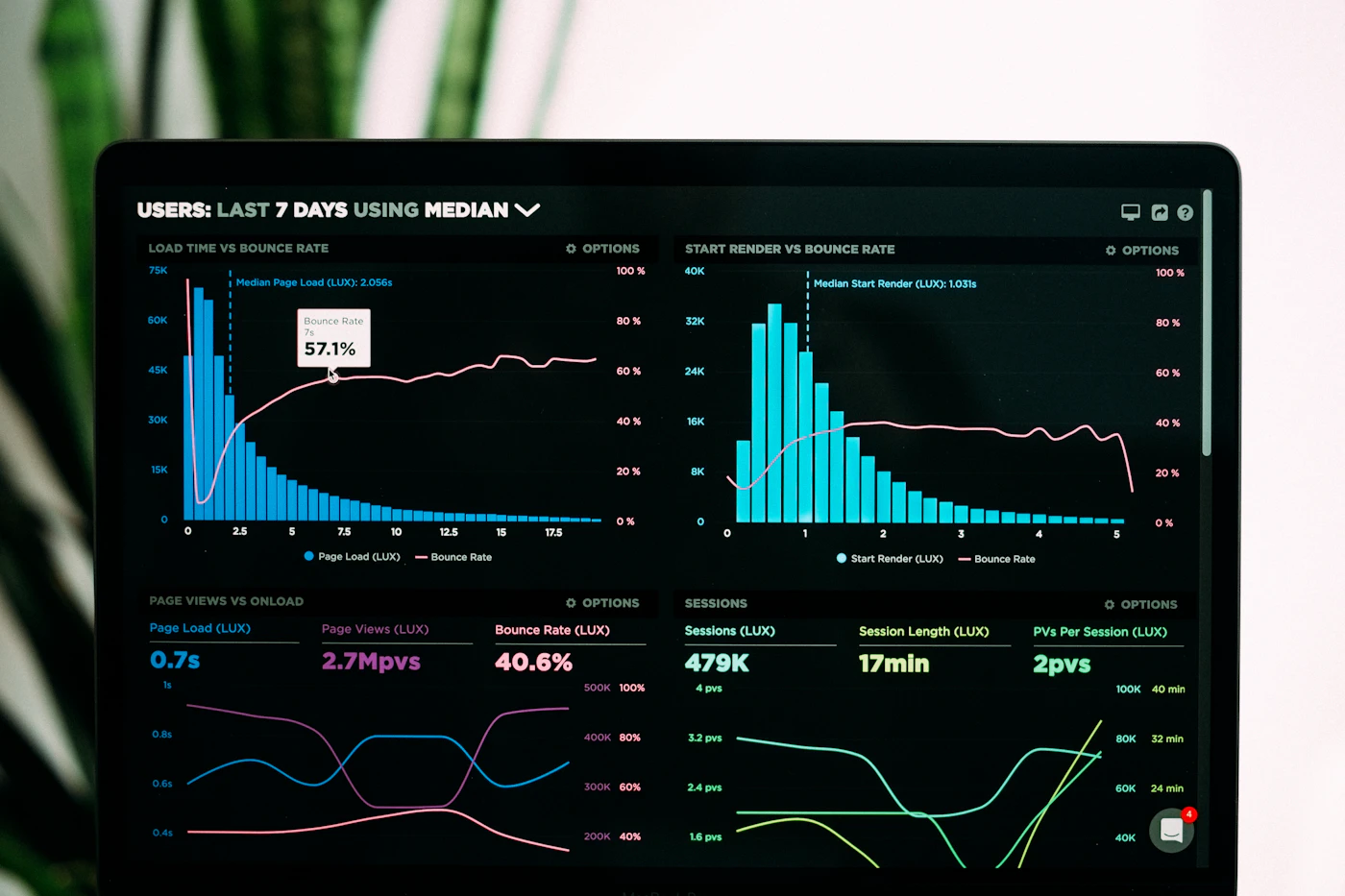
Template sites come bloated with unnecessary scripts, redundant CSS styling, and unoptimized plugins designed to cater to everyone at once. To Google and other search engines, this bloat translates directly into poor core web vitals:
- Slow largest contentful paint (LCP) times.
- Lagging first input delays.
- Eratic layout shifts that ruin user experience.
If your page takes longer than three seconds to load, a significant percentage of your traffic leaves before they even see your headline. A site that your audience bounces away from is a site that Google refuses to rank.
Shifting from Templates to Engineering
To build a brand that stands out, your infrastructure needs to be handled with precision. True web development means tailoring the software stack to the exact objectives of your business.
At Stampl, we reach for tools like Next.js, React, and Tailwind CSS because they allow us to build custom digital architectures from the ground up without the overhead of heavy legacy systems.
1. Static Generation and Hybrid Rendering
Modern web frameworks allow us to pre-render pages into lightweight HTML at build time. When a user or a search engine crawler hits your site, the page loads instantly. There is no waiting for a heavy database to assemble the layout on the fly. Speed isn't just a luxury; it is a fundamental pillar of conversion.
2. Semantic Code and Natural SEO
Search engines don't look at your website the way humans do; they read the underlying code. Using proper, semantic HTML structures ensures that web crawlers instantly grasp your content hierarchy. When your site architecture is clean, indexable, and fully accessible, your visibility increases naturally—without relying on superficial SEO hacks.
3. Intentional User Experiences
A custom build gives you complete control over the user journey. Whether you are engineering a high-converting brand site or a complex SaaS dashboard, every transition, button placement, and interactive element should feel fluid and friction-free. When software feels intentional, it builds immediate trust with your users.
How to Plan Your First Build
If you are ready to get started on a new web project, drop the generic checklist and focus on three core requirements:
- Define the Core Action: What is the single most important thing a user should do on your site? Every piece of code should drive toward that objective.
- Prioritize Performance Over Fluff: Flashy animations that slow down mobile devices do not convert users. Clean execution and lightning-fast responsiveness do.
- Build for Scalability: Your website should be able to handle traffic spikes and seamlessly integrate new features as your business evolves without requiring an entire rewrite.
Web development is an investment in your company's digital real estate. Skip the shortcuts, build with clean architecture from the beginning, and create an asset worth showing off.